

Visa, BILL and Billtrust Test Trusted AI Agents for B2B Invoice Payments
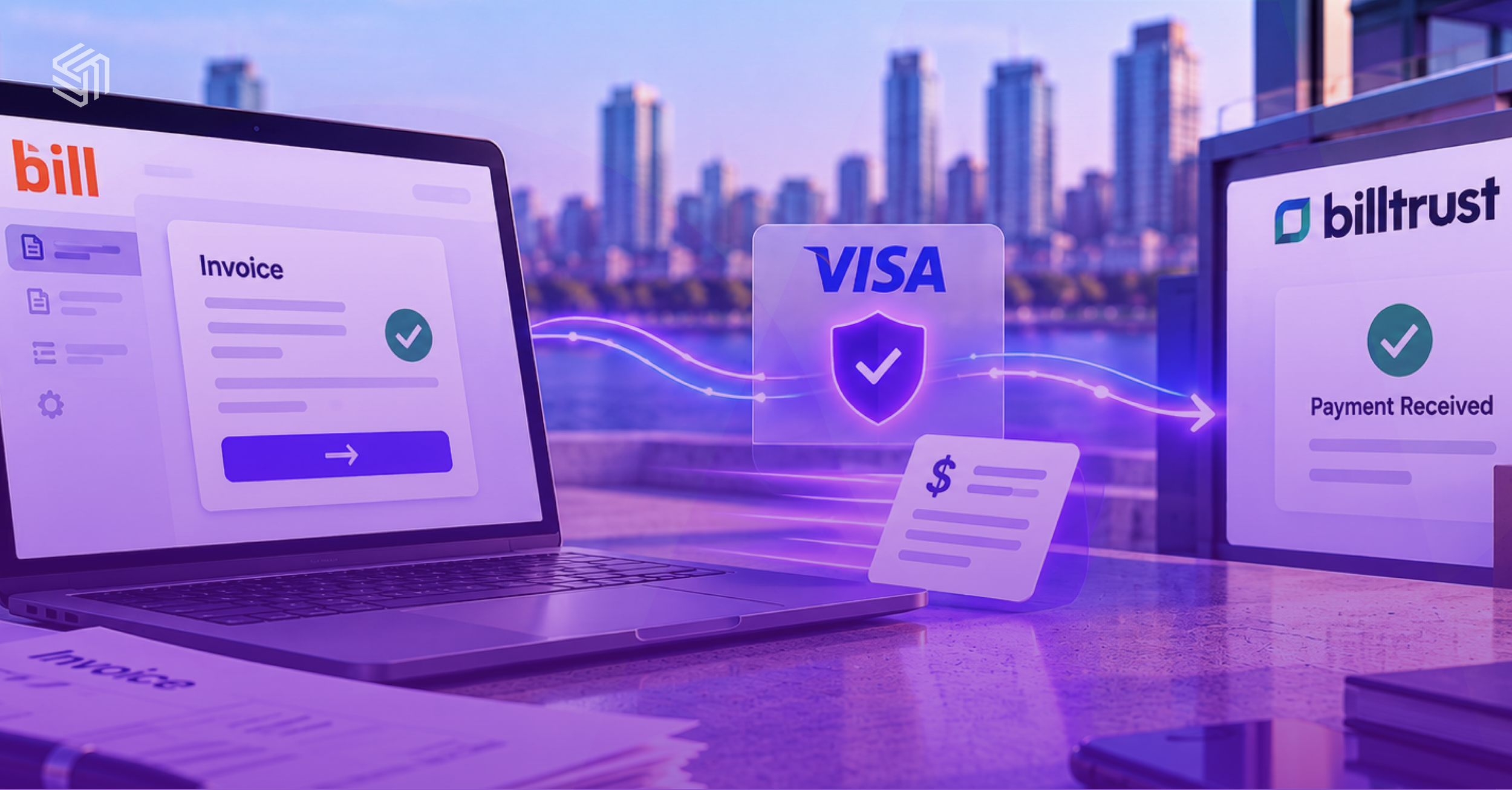
A live pilot lets trusted AI agents complete approved invoice payments through supplier portals without manual entry.
AI is already being used to automate parts of accounts payable, but supplier payment portals can still require a person to authenticate and manually enter payment information after an invoice has been approved.
On October 20, Visa, BILL and Billtrust announced a live pilot designed to remove this final manual step. The companies describe it as the first live pilot where trusted AI agents can initiate and complete approved buyer invoice payments through supplier portals. The pilot is currently processing transactions between participating BILL buyers and Billtrust suppliers.
The model combines BILL's buyer side payment workflow, Billtrust's supplier payment environment and capabilities from Visa Intelligent Commerce. Importantly, the AI agent does not decide whether an invoice should be paid. It only executes eligible payments that have already been approved by the buyer and operates according to the associated payment instructions.
How The Payment Works
Payment Approval: The process begins with an approved supplier invoice within BILL. The buyer defines the payment instruction before the agent is permitted to execute the transaction.
Agent Registration and Payment Initiation: BILL's authorized Payment Agent is registered using Visa's Trusted Agent Protocol and Agentic Directory. It uses tokenized payment credentials, rather than shared supplier portal credentials, with payment controls linked to the buyer's approved instruction. This allows BILL to automate card payments to suppliers while keeping the transaction within the parameters already established by the customer.
Supplier Authentication: When the agent reaches the supplier environment, Billtrust uses Visa's Trusted Agent Protocol to recognize and authenticate it before granting access. This authentication can satisfy protections traditionally handled through CAPTCHA and other mechanisms intended to block automated activity, without requiring an additional agent login.
Payment Completion: Once authenticated, the agent completes the invoice payment on the customer's behalf. The payment follows a path linked to the specific invoice, while authorization and completion remain visible within the transaction flow. Billtrust suppliers continue to receive payments according to their existing acceptance policies and retain the information required for processing and reconciliation.
What Each Company Brings to the Pilot
Visa: Provides the infrastructure for recognizing and authenticating the agent, along with tokenized payment credentials and controls through Visa Intelligent Commerce, including the Trusted Agent Protocol and Agentic Directory.
BILL: Provides the authorized Payment Agent on the buyer side, which acts on an already approved invoice and executes the payment according to the buyer's instructions.
Billtrust: Recognizes the authorized agent within the supplier environment, grants it access and enables the payment to be completed while maintaining the supplier's existing payment acceptance requirements.
What Changes in the Existing Payment Flow
The pilot addresses a specific gap in accounts payable automation. A payment may already have been reviewed and approved within the buyer's system, but an employee can still be required to visit the supplier's portal and manually complete the transaction.
Under the pilot, the approved payment can move from BILL into the Billtrust supplier environment through an authenticated agent. This removes the need to share supplier portal login credentials and reduces manual entry while maintaining the buyer's payment controls and the supplier's acceptance policies. For buyers, this can reduce time spent completing portal payments. For suppliers, it creates another way to receive and reconcile those payments within their existing processes.
🚨 What This Signals for B2B Payments
The pilot provides an early example of how agentic payments could operate within established business approval processes. The agent's role is limited to executing a transaction that has already been authorized, rather than independently deciding what to purchase or pay.
It also shows the importance of agent identity in payment automation. For agents to move across separate buyer and supplier platforms, the receiving system needs a way to recognize who the agent represents, authenticate it and confirm that the transaction falls within an approved instruction. Visa's role in the pilot is focused on providing this trust layer alongside the payment credential and transaction controls.
For accounts payable and receivable platforms, the pilot demonstrates a potential route for automating a manual handoff that remains after invoice approval. The model is still at the pilot stage, with live transactions limited to participating BILL buyers and Billtrust suppliers. Visa, BILL and Billtrust have said they will continue exploring further opportunities in agentic payments as the pilot progresses.