

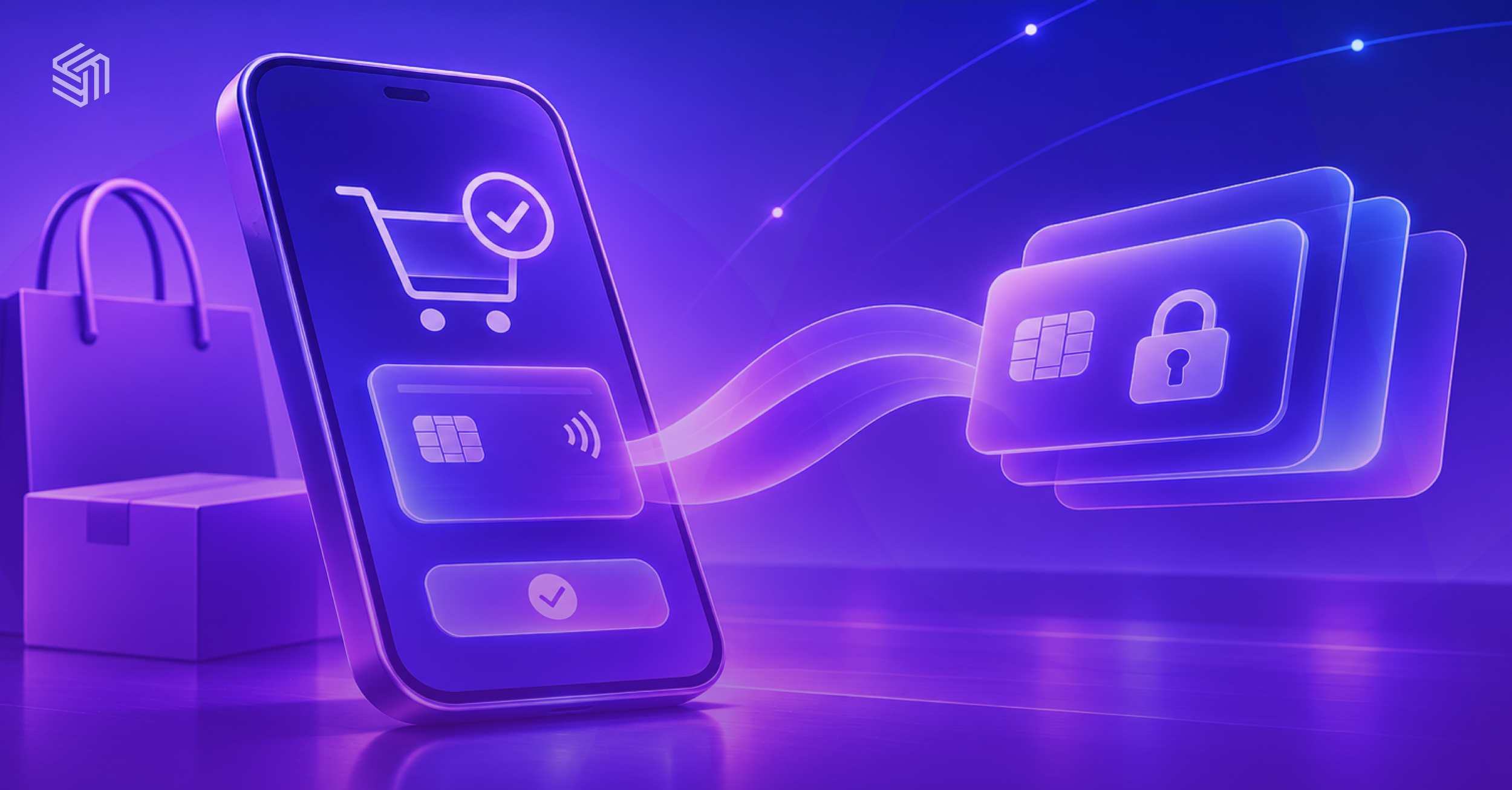
Gemini enables AI-powered purchases in the U.S., with card network tokens and existing payment infrastructure at the centre.
On November 17, 2026, Google began rolling out Tasks in Gemini free of charge across six markets: the U.S., Canada, Japan, Korea, Australia and India. As part of the launch, Google introduced Google Pay checkout in the U.S., allowing its AI assistant to search for products, compare prices and complete purchases on behalf of consumers using tokenized card credentials.
Key Highlights
Agentic Checkout: Gemini uses Google's Agent Payments Protocol (AP2) to complete purchases once user-defined conditions are met, such as the specific item, approved merchants and maximum budget.
Card Tokenization: Google is working with Visa and Mastercard to secure purchases using digital tokens on supported cards, and Gemini may use a secure virtual card number, protecting consumers' actual card numbers. American Express support is coming soon.
Consumer Control: Users can specify merchants, set a maximum budget of up to US$1,000 per purchase task, and choose between confirming each purchase (the default) and letting Gemini complete the transaction automatically once their conditions are met. Purchase tasks expire within 14 days.
Existing Card Benefits: Consumers keep their card's points, cashback and purchase protections when shopping through Gemini.
Transaction Visibility: Google Wallet serves as a central hub for managing agentic purchases, including order confirmations, receipts and delivery updates. Google Wallet also launched on iOS in the U.S., though tap-to-pay is not yet supported on iOS.
Availability: Google Pay checkout is initially rolling out in English to U.S. consumers aged 18 and above with personal Google accounts.
❓What This Signals
For banks and credit unions, the launch represents a practical example of agentic commerce operating through existing card payment infrastructure. While AI takes on the shopping and checkout journey, card issuers retain their role in transaction authorization.